Towards the end of my Junior year in high school, I participated in an event called minicourse. Minicourse was a structured event put on by my high school in which a brief pause in the regular, day-to-day curriculum of school allowed for students to participate in a particular group activity for a whole week. This often brought up a lot of stress because each minicourse offered was completely different from the last and there were always the more popular, and harder-to-get-in ones, in addition to the ones no one wanted to be on. No one wanted to be stuck with a group of people they did not know or like and no one wanted to be alone or left out. I had experienced plenty of anxiety in general throughout my entire life revolving around just about everything, but regarding the selection process, my anxiety was at an all-time high and my close friends and parents picked up on it pretty quickly. As the more popular minicourse options seemed to fill up all I could think about was how I would end up on an unpopular one and then have to endure all of the pictures and videos people would be posting on social media for everyone to see of all the amazing things they were doing and how much of a good time everyone else was having without me.
On a whim, some of my closest friends suggested I join them on a minicourse that would take place at a beach house up in Bolinas focused on practicing mindfulness and meditation, specifically in the absence of any and all cellular devices. This would be a technology-free week of meditation, nature and mindfulness in which I, along with around 7 or 8 other people would stay in this beach house and I don’t know, I guess try and survive? At least this is how I thought of it at the time, luckily I had my best friends by my side going along with me, but it definitely took me some convincing to go right off the bat. It wasn’t that I didn’t enjoy nature or meditation, it was honestly just the idea of letting my phone go for a week, which seemed so much longer than it actually was. I had never been faced with a situation like this before because my phone was always somewhere close, if not on me; I always knew where it was and it rarely ever left my sight.
I knew that it was irrational for me to stress out about not having my phone and I knew it was materialistic but I honestly didn’t care to feel embarrassed, I truly felt like I needed my phone. All I could think about was the snapchat streak of 265 days with my best friend which would end due to this trip and about how I wouldn’t be able to contact my boyfriend at the time or see what he was doing for a whole week. I just constantly had all these thoughts and worries floating around my head in direct correlation with the idea of not having my phone and so when that first day came, I was extremely stressed out. After arriving at the house we were told it was time to power down and place our phones in this big ceramic bowl which was then placed high up on a shelf, never to be seen again for that entire week. Instantly, I felt uncomfortable. I felt completely disconnected from the outside world and what was going on at home. I did not like it. I even experienced phantom rings and buzzes where I heard my phone go off like a buzz or a chime and I would look and feel around trying to find my phone only to realize that those sounds were all in my head and I, in fact, did not have my phone at all.
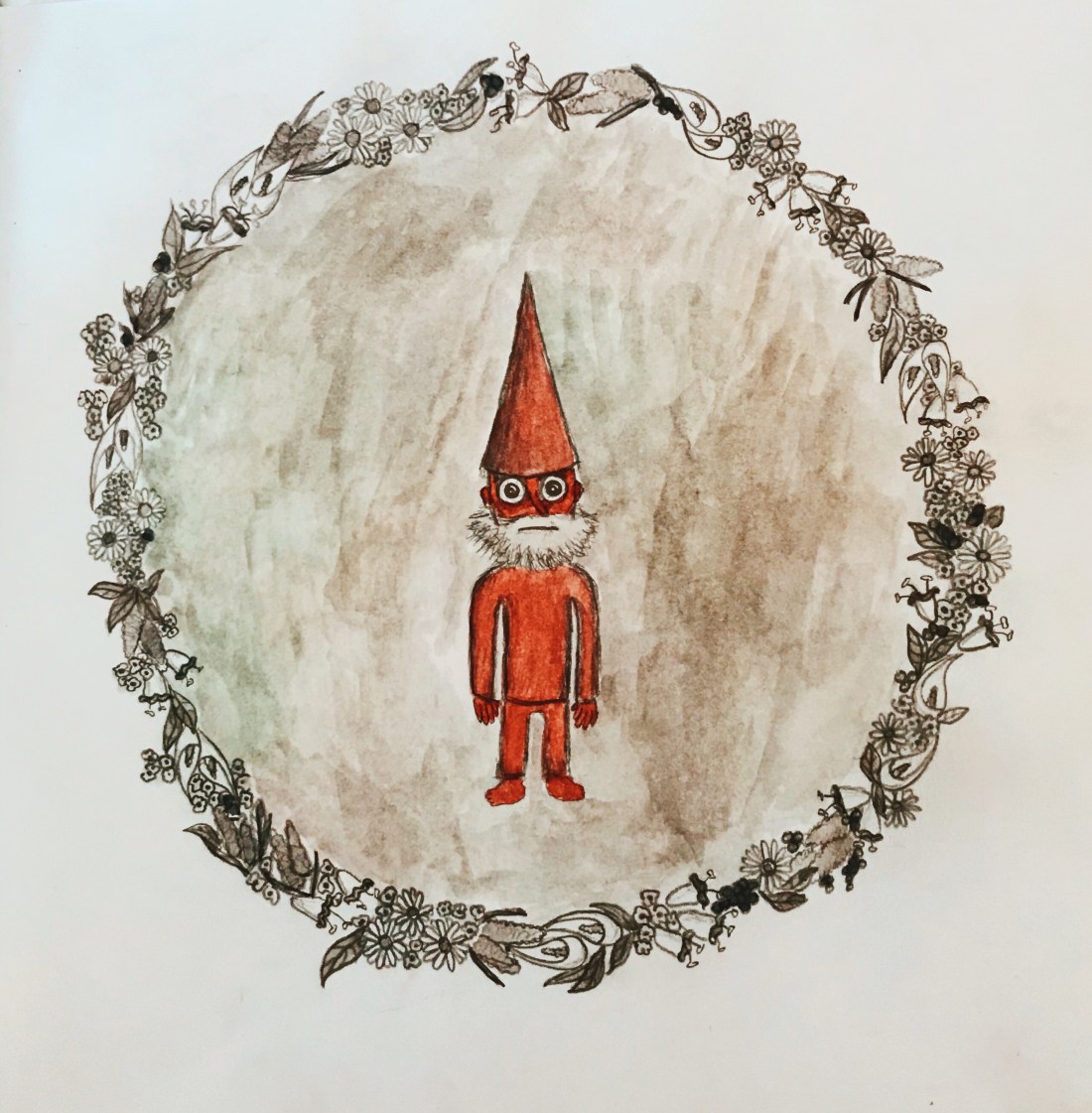
It was truly weird at first, but after the first full day of not having a phone I noticed that all my senses were almost heightened in a way. The conversations I was having with people and the beautiful beachy atmosphere that Bolinas provided began to seem all more beautiful and all the more interesting without any possible distraction. I wasn’t able to quite pinpoint it at the time, but reflecting back now, I totally forgot about my phone. It was completely unexpected but I really did forget about it and I started to feel my priorities shifting. I completely stopped wearing makeup, which for me, was absolutely absurd, I became addicted to the connections I was having with people, just listening to them and their beliefs and feelings. As the week progressed and we continued to practice our mindfulness I felt the anxiety which I had endured my entire life about everything slowly melting away until it was like it never existed in the first place. As our first couple of days quickly became our last few days, our next challenge given to us by our amazing teacher, instructor and friend, Mark Stefanski, was to create something, anything that might be a translation or expressions of ourselves and the time spent in Bolinas with each other. We could use any means necessary and we had one whole day. I brought along my watercolor paints on the trip so I knew I would be creating a painting while other people’s pieces ranged from, drawings, photography and spoken word, to music, poetry and other forms of art. I ended up painting the house we stayed in because I kind of saw it as what was uniting us all throughout the week as we lived, cooked and experienced life in its purest form all together under one roof. I still have my painting to this day in addition to another I made before the trip ended due to this relentless urge to just keep creating. (Paintings included below). Now, I can easily say that never before in my entire life had I ever seen or experienced so much beautiful and unbelievable creativity from such a diverse and unique group of people. The inspiration I found in myself to create art was bouncing off everyone else’s creative drive and it was amazing. You could just physically feel it in the air air everyone trekked down their own artistic pathways, so incredibly driven to transform their ideas and emotions and nature into art, transforming experience into art and I felt it too. And when it finally came time for everyone to share their own creations, it was this incomprehensible plethora of inspiration unlike anything else I had ever known.
As the trip came closer to an end, I could feel the impending doom of leaving Bolinas growing stronger and stronger. I really did not want to leave, but more importantly, I realized I would get my phone back. In fact, it became a source of anxiety for me even as I was packing just thinking about getting it back I was already stressing out. Questions began to bubble up like, “What am I gonna do when I get it back?” “What will I do with it when I get it back?” and “Do I even want it back?” When the bus returned to the stop where we had left from just a week before, my phone was placed back into its familiar place in the palm of my hand. Unlike what I had imagined I might feel, possibly relief or maybe comfort, all I could feel was fear. I was scared of my phone and all the irrational responsibilities that came with it. What if I wouldn’t be as creative now? What if I wouldn’t be as useful of my time? In the weeks that went by after minicourse I resumed regular usage of my phone and although the amazing week had come and gone in the blip of an instant, the incredible things I had discovered about the world and about myself and those around me were everlasting.
In the next few paragraphs of my paper I plan to incorporate the answer to my Fruitful question: “What is the impact of phone usage and social media on interpersonal relationships and our minds?” through the use of my multi-faceted sources. I know that the initial part of my autoethnography has been greatly focused on my own experience and my own story but it is equally important to me and to this essay as I believe the latter part shall be. I am wholeheartedly interested in the inner-workings of our brain and how technology influences the way we think and act so I look forward to incorporating more of this into the third draft of my autoethnography while taking into consideration and reflecting upon my own experience I had. 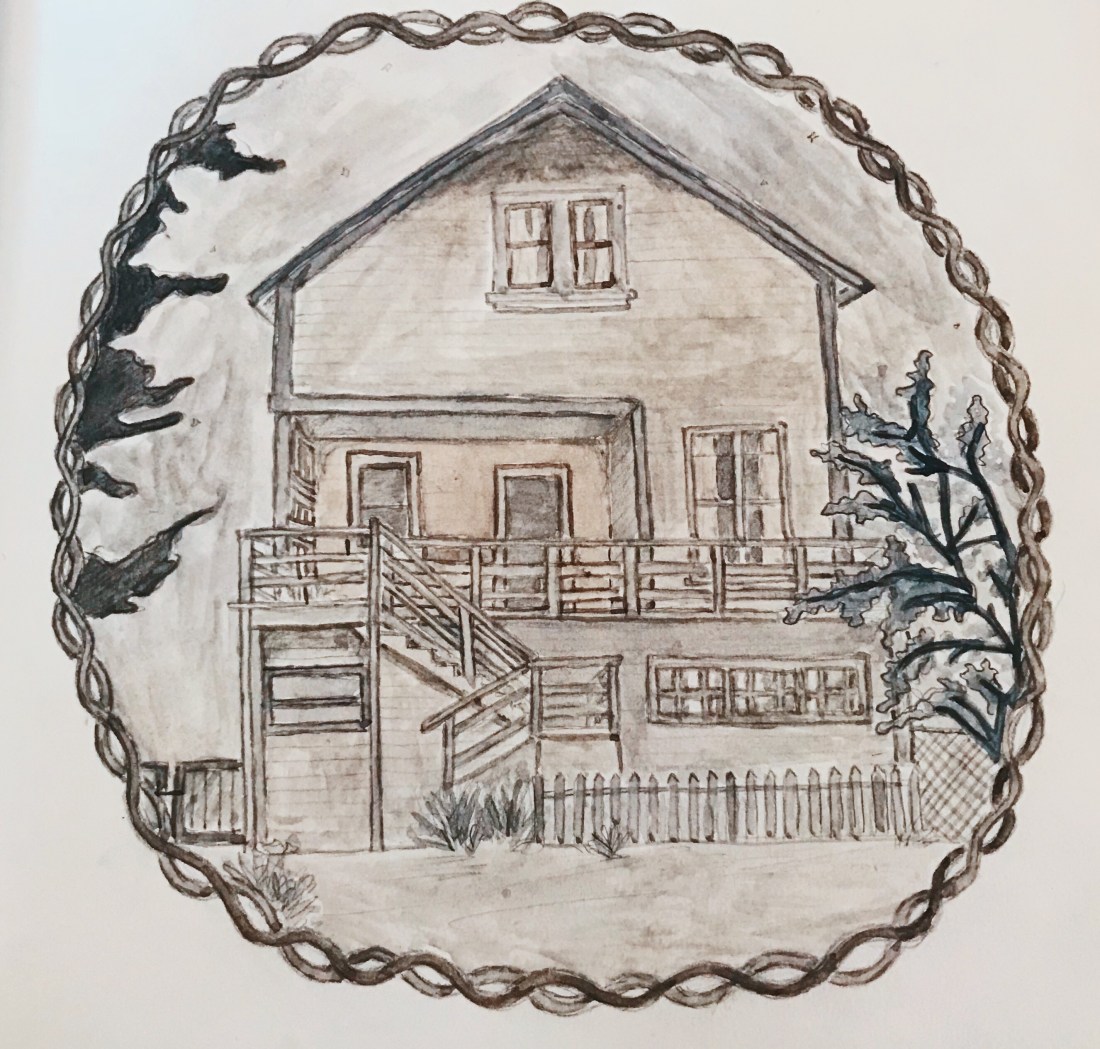

 Alice Unkrich Composing Self
Your paintings are wonderful Alice; you’re a fabulous artist. Also, the story you tell here is very engaging and provocative – brings up many great points. My suggestion is to allow the research you incorporate to connect with the story itself, rather than separate the paper into the personal experience and then the research. Try to interweave the two together (braid the personal experience and the research as appropriate) and I believe this will create a much more dynamic structure for your paper.
LikeLiked by 1 person